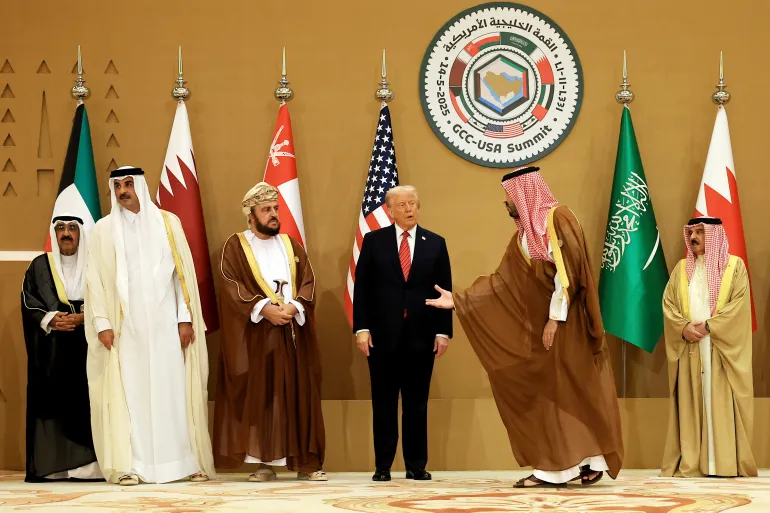
Trump-GCC summit in New York focuses on Iran war, Gulf security, Strait of Hormuz, energy exports, Yemen conflict and diplomatic talks.
Trump-GCC Summit in New York: What Does Each Side Want?
The leaders of the six Gulf Cooperation Council (GCC) countries are preparing to meet US President Donald Trump in New York on Tuesday as the US-Israel war on Iran approaches its seventh month. The meeting will take place on the sidelines of the United Nations General Assembly (UNGA) and comes at a critical moment for the Gulf region.
The six GCC members — Bahrain, Kuwait, Oman, Qatar, Saudi Arabia and the United Arab Emirates (UAE) — have faced significant economic and security consequences from the conflict despite not being directly responsible for starting the war.
Since the conflict began on February 28, Iran has repeatedly targeted US military facilities across the Middle East, as well as airports, energy infrastructure and hotels. Gulf countries have been particularly affected because their economies depend heavily on oil and gas exports.
The disruption to energy shipments has contributed to a global energy crisis, while restrictions around the Strait of Hormuz have created additional pressure on regional economies and international trade.
What Is the Trump-GCC Meeting About?
Trump has said he wants to speak directly with GCC leaders as he considers what he has described as a major decision regarding the war in Iran.
The talks are expected to focus on two closely connected issues: the US-Israel conflict with Iran and the continuing confrontation between Houthi forces and the Saudi-backed government in Yemen.
A memorandum of understanding reached in June had raised hopes for de-escalation. However, the arrangement collapsed last month following disagreements over navigation through the Strait of Hormuz, which remains effectively closed.
The upcoming Trump-GCC summit could therefore focus heavily on regional security, freedom of navigation, energy supplies and the possibility of returning to diplomatic negotiations.
What Do the GCC Countries Want?
The Gulf states broadly share concerns about further military escalation between the United States and Iran. Regional analysts say the GCC countries are expected to emphasize the risks that another major round of fighting could create for their security and economies.
One of the most important issues is keeping major shipping routes open. The Strait of Hormuz is particularly important because a large share of global oil and gas exports passes through the waterway. The Red Sea is also a major concern because disruptions there can affect international shipping and energy markets.
The GCC countries are also expected to encourage diplomatic efforts aimed at reducing tensions between Washington and Tehran. They may seek an arrangement that builds on the June memorandum and creates a possible path toward ending the wider crisis.
However, the six countries do not face identical consequences from the war.
The UAE has been able to continue some oil exports through pipelines leading to Fujairah, allowing it to bypass the Strait of Hormuz. However, its export capacity remains below desired levels.
Qatar faces a different challenge because much of its liquefied natural gas (LNG) trade depends on access through the Strait of Hormuz. Further escalation could therefore have a major impact on Qatar’s energy exports and infrastructure.
Saudi Arabia has an additional concern involving Yemen. Houthi forces have been gaining ground, increasing pressure on Riyadh to address attacks and security threats linked to the conflict.
What Does Trump Want From the GCC Summit?
Trump’s objectives remain difficult to determine because the US approach toward Iran has included both threats of military escalation and indications that diplomatic options remain possible.
One possibility discussed by regional analysts is that Washington could seek greater GCC involvement in countering Iranian influence in return for stronger US action against Houthi attacks threatening Saudi Arabia.
Another major concern for the Trump administration is the impact of the war on oil and gasoline prices. With US midterm elections approaching, energy prices and their effect on American consumers have become an important political consideration.
Further military escalation could push oil prices higher, potentially increasing economic pressure in the United States and other countries.
Could the Meeting Lead to a New Iran Deal?
A major breakthrough is not guaranteed. Analysts suggest the most realistic outcome could be an agreement to resume negotiations rather than an immediate end to the conflict.
Qatar or Pakistan could potentially play a role in facilitating indirect communication between Washington and Tehran.
With Iranian President Masoud Pezeshkian and other senior Iranian officials also in New York for the UN General Assembly, diplomatic contacts could take place alongside the GCC summit.
The central issues will likely remain the same: preventing further escalation, restoring freedom of navigation through the Strait of Hormuz and Red Sea, protecting energy infrastructure, addressing the Yemen conflict and finding a diplomatic path for US-Iran relations.
For the Gulf states, the meeting is an opportunity to communicate their security and economic concerns directly to Washington. For Trump, the summit could provide an important opportunity to hear from regional partners before deciding the next US approach to the Iran war.

