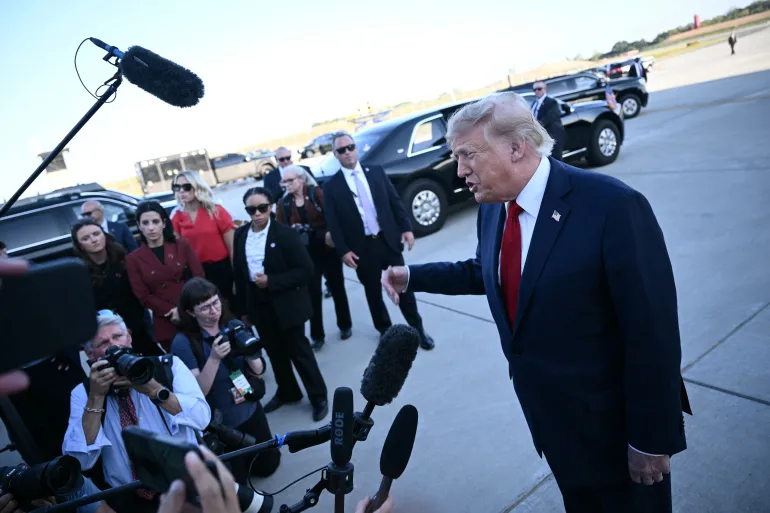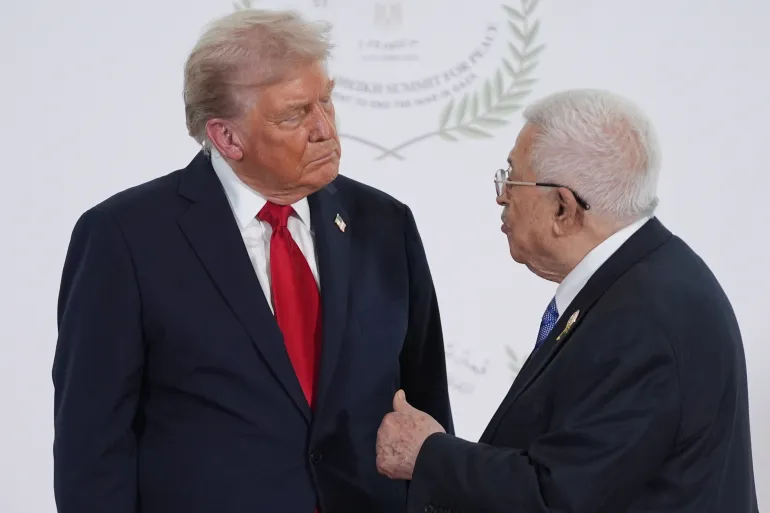
The US extends visa restrictions on Palestinian officials, barring Mahmoud Abbas from attending the UN General Assembly in New York.
US Extends Visa Restrictions on Palestinian Officials Ahead of UN General Assembly
The United States has extended visa restrictions on officials of the Palestinian Authority (PA) and members of the Palestine Liberation Organization (PLO), preventing Palestinian President Mahmoud Abbas from travelling to New York for the upcoming United Nations General Assembly.
The decision comes just days before the opening of the 81st session of the UN General Assembly and marks the second consecutive year that Abbas has been prevented from attending the UN meeting in person. The move has added another point of tension between Washington and the Palestinian leadership at a time when international attention remains focused on Gaza, the West Bank and efforts toward a two-state solution.
US Extends Palestinian Visa Ban
The US Department of State said it would continue visa sanctions against PLO members and Palestinian Authority officials. According to the department, the decision followed what Washington described as a failure by Palestinian authorities to meet commitments related to reform and other US legal requirements.
The State Department said the Palestinian leadership had taken actions that, in its assessment, undermine prospects for direct negotiations between Israelis and Palestinians. It specifically cited Palestinian efforts to pursue international recognition of statehood outside direct negotiations, as well as actions involving international institutions.
Washington also pointed to Palestinian participation in proceedings involving international courts, including the International Criminal Court and the International Court of Justice. The US government said such actions amount to efforts to internationalize the Israeli-Palestinian conflict rather than resolve disputes through direct negotiations.
Mahmoud Abbas Barred From US Travel
The extended restrictions mean Mahmoud Abbas will not be able to travel to New York to personally address the United Nations General Assembly unless an alternative arrangement is made.
Abbas, who leads the Palestinian Authority and also serves as chairman of the Palestine Liberation Organization, has been seeking international diplomatic support for Palestinian statehood and renewed efforts toward a two-state solution.
The restrictions come at a significant diplomatic moment. Several Western countries have recently moved toward recognizing a Palestinian state, increasing international pressure surrounding the Israeli-Palestinian conflict and the future status of the Palestinian territories.
The Palestinian leadership is also expected to raise concerns about the humanitarian situation in Gaza and developments in the occupied West Bank during the UN General Assembly session.
US Reasons for Visa Restrictions
The US State Department said the Palestinian Authority and PLO had not carried out reforms that Washington had previously expected. It also accused Palestinian authorities of continuing policies involving financial payments to Palestinians convicted of attacks and to their families.
The United States has also criticized what it describes as the glorification of violence in Palestinian official statements and educational materials. These allegations are part of Washington’s stated justification for maintaining the visa restrictions.
The Palestinian side and other international observers have disputed aspects of US policy toward Palestinian representatives, particularly when restrictions affect participation in the United Nations.
Palestinian Mission to the UN Can Continue Working
Despite the visa restrictions, the Palestinian mission to the United Nations will continue operating in New York.
The State Department said the Palestinian mission would retain a waiver under the UN Headquarters Agreement. This allows regular mission staff to continue performing their official duties even though individual Palestinian officials may be denied entry into the United States.
The distinction means the restrictions do not completely prevent Palestinian diplomatic representation at the United Nations. However, they can limit the ability of senior Palestinian officials, including Abbas, to participate personally in high-level UN meetings.
Impact on UN General Assembly
The decision is likely to become an important issue during the upcoming UN General Assembly session. The Palestinian leadership has sought greater international recognition of Palestinian statehood, while the United States continues to emphasize negotiations and reforms as conditions for its engagement.
The visa restrictions also highlight a broader diplomatic disagreement over how Palestinian statehood should be pursued. Washington argues that statehood should emerge through negotiations, while Palestinian officials and supporters of recognition argue that international diplomatic action can help advance Palestinian self-determination.
The latest US decision therefore places Mahmoud Abbas and the Palestinian Authority at the center of another diplomatic dispute ahead of the UN General Assembly.
With the Gaza humanitarian crisis, developments in the West Bank, Israeli settlement expansion and international recognition of Palestine all expected to remain major topics, the US visa restrictions are likely to add further diplomatic tension to this year’s UN meetings.