Iran warns of unrestricted retaliation against future attacks as Qatar mediates between Tehran and Washington amid rising Middle East tensions.
Iran Warns of Wider Retaliation Against US and Israel as Qatar Pushes for Peace
TEHRAN, October 31, 2026 — Iran’s Supreme Leader Mojtaba Khamenei has warned that any renewed military attack against the country could trigger a response extending beyond geographical boundaries, raising concerns about another major escalation in the Middle East. The warning comes as diplomatic efforts involving Qatar continue in an attempt to prevent a fresh confrontation between Tehran and Washington.
In a statement issued on Saturday following a meeting with senior military commanders, Khamenei instructed Iran’s armed forces to maintain a high level of readiness and prepare for an immediate response to potential attacks. His remarks came amid growing reports of possible new military action by the United States and Israel against Iranian targets.
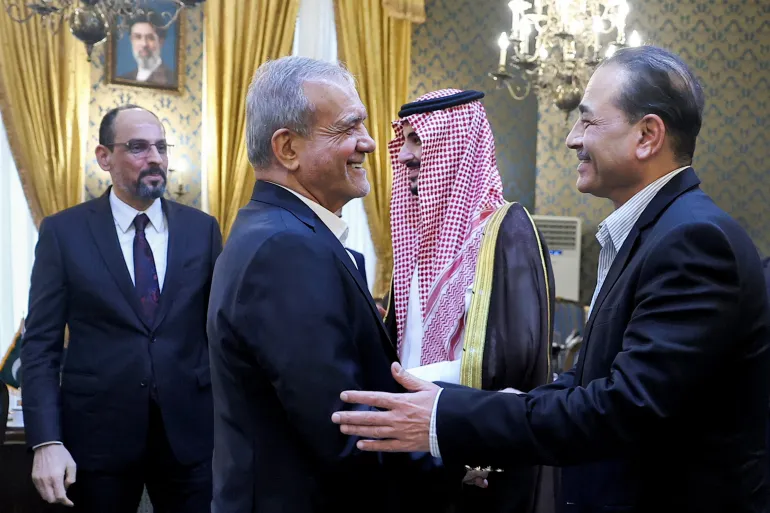
At the same time, diplomatic contacts are continuing, with Qatari officials holding discussions with Iranian authorities in Tehran. The parallel developments highlight the increasingly fragile situation as military warnings intensify while regional governments seek a negotiated solution.
Iran’s Supreme Leader Orders Military Preparedness
According to a statement from the office of Supreme Leader Mojtaba Khamenei, the Iranian leader met senior military officials on Saturday and delivered strategic instructions concerning national defence.
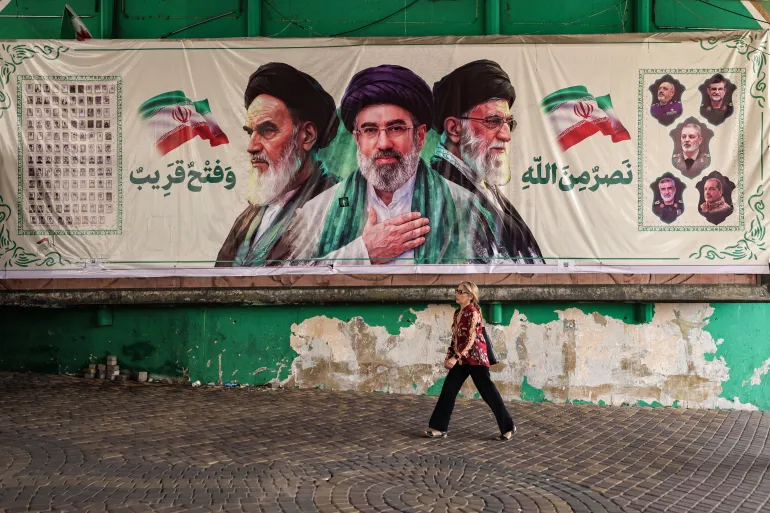
Khamenei called for stronger deterrence capabilities and readiness to respond effectively if Iran faces another attack. The statement indicated that any response would not be limited by geographical considerations.
His warning signals Tehran’s intention to make any potential military confrontation more difficult to contain. Iranian officials have repeatedly argued that attacks against the country would carry consequences beyond its borders.
Khamenei assumed the country’s highest political and religious office in March after his father, Ayatollah Ali Khamenei, was killed. According to Al Jazeera’s reporting, the new supreme leader has not appeared publicly or communicated since taking over the position.
Iranian Army spokesperson Mohammad Akraminia also issued a warning directed at US President Donald Trump’s administration. He said another American military campaign could expand the conflict into a much wider regional confrontation.
The statements reflect Tehran’s increasingly confrontational position following months of military conflict involving Iran, the United States and Israel.
Qatar Continues Diplomatic Efforts to Prevent Another War
Despite the increasingly forceful language from Iranian officials, diplomatic efforts have not stopped.
Senior Qatari diplomats held extensive discussions with Iranian representatives in Tehran on Friday, with additional meetings expected on Saturday, according to Al Jazeera.
The negotiations come after US Vice President JD Vance reportedly sent a letter to Iranian officials. The communication was reportedly addressed to Mohsen Rezaei, a senior Iranian security official who has become influential in the country’s strategic decision-making.
Although the complete contents of the letter have not been disclosed, reports indicate that Washington wants Tehran to make commitments concerning its nuclear programme.
These reportedly include allowing international inspectors to monitor nuclear activities and addressing the future of Iran’s highly enriched uranium.
Iran has previously rejected proposals to transfer its enriched uranium outside the country.
US President Donald Trump has also played down reports suggesting that Washington had formally initiated another round of peace negotiations. He described the vice president’s letter as relating to the delivery of medical supplies to Iran, without providing further details.
According to Iranian media reports cited by Al Jazeera, Tehran wants the Strait of Hormuz reopened within several days as part of a broader arrangement connected to a June memorandum of understanding.
Iran’s demands reportedly include removing the US maritime blockade affecting Iranian ports, easing restrictions on oil exports and establishing a ceasefire covering regional conflicts, including fighting in southern Lebanon.
As of Saturday, Iranian media had confirmed receipt of the American communication, but no official response through mediators had been publicly confirmed.
Strait of Hormuz Remains a Major Source of Tension
Beyond diplomatic disagreements and military warnings, the Strait of Hormuz continues to be one of the most sensitive areas in the confrontation.
The strategic waterway connects the Persian Gulf with the Gulf of Oman and is a critical route for international oil and gas shipments. Disruptions to commercial shipping in the area have raised concerns about energy supplies and international trade.
According to Al Jazeera, Iranian forces and the US military have continued competing for influence over maritime activity in the strait. Iran’s Islamic Revolutionary Guard Corps (IRGC) has maintained pressure on vessels, while US forces have supported shipping operations intended to help transport oil from Arab countries through the waterway.
Iranian local authorities reported on Saturday that two fishing boats south of Qeshm Island had been struck by a US drone, leaving several fishermen injured. The reported incident adds to concerns about the risks facing civilian vessels in the area.
Iranian state television also claimed that at least six oil tankers had sustained damage in recent days after explosions it attributed to naval mines. One of the vessels reportedly carried approximately two million barrels of oil. These claims have not been independently established in the available reporting.
Separately, the United Kingdom Maritime Trade Operations (UKMTO) reported an attack on a tanker near Oman’s Khasab. According to the maritime monitoring organisation, a small boat approached the vessel and attached two explosive devices to its hull above the waterline. The resulting explosion caused a fire in the engine room and temporarily disabled the ship.
The scale of disruption is also reflected in shipping statistics. UKMTO recorded 155 inbound and 122 outbound vessel movements through the Strait of Hormuz during the week ending October 28. That represented a decline of approximately 70 percent compared with pre-war traffic levels.
US Central Command chief Brad Cooper, meanwhile, said in a video message that American aircraft and maritime drones were supporting commercial shipping movements through the waterway. He also claimed that Iranian Revolutionary Guard naval forces were not visible during his observation of the area.
Iranian Officials Increase Warnings to Washington and European Governments
Iran’s increasingly strong rhetoric has extended beyond its direct warnings to the United States and Israel.
Foreign Minister Abbas Araghchi criticised German Chancellor Friedrich Merz following remarks about the economic consequences of the conflict for Europe. Merz reportedly said the financial costs of the war had exceeded 100 billion euros over eight months.
Iranian security chief Mohsen Rezaei also criticised European governments, arguing that countries that supported earlier military action should not be surprised by the wider consequences of the conflict.
Araghchi issued a separate warning that any country participating in or supporting attacks against Iran could face serious consequences.
The comments reflect Tehran’s position that the consequences of another military confrontation would not necessarily remain confined to the countries directly involved.
The possibility of renewed US military action has also attracted criticism within Washington. US Senator Chris Murphy said he had discussed with senior officials what a potential short military campaign against Iran might involve. He expressed concern that such an operation could produce a much wider escalation.
Eric Brewer, deputy vice president of the Nuclear Materials Security Program at the US-based Nuclear Threat Initiative, also questioned whether further air strikes would achieve Washington’s objectives.
Brewer argued that attacking Iranian energy infrastructure would be unlikely to force Tehran to accept American negotiating demands. He also warned that Iran could retaliate across the region, potentially making another conflict longer and more costly.
These assessments underline the uncertainty surrounding the possible consequences of renewed military action.
What Happens Next?
As of October 31, Iran has publicly reinforced its military readiness while diplomatic discussions involving Qatar continue. The United States and Iran have not announced a confirmed agreement resolving their outstanding disputes over nuclear activities, maritime security, sanctions and regional conflicts.
The upcoming US midterm elections on November 3 are also an important political date in the current environment. An editorial published by the Iranian state-linked newspaper Jomhouri-e Eslami argued that diplomatic engagement should continue despite the possibility of renewed fighting after the elections.
For now, there is no publicly confirmed breakthrough in negotiations and no announced final agreement between Washington and Tehran.
The immediate situation remains uncertain, with military warnings, maritime incidents and diplomatic contacts unfolding simultaneously. Whether the latest negotiations can prevent another confrontation will depend on the positions taken by the governments involved and their willingness to address the major disagreements keeping tensions high.