US and China propose tariff cuts on $60 billion in trade. See key goods, trade impacts, and what the new US-China tariff framework means.
US and China Recommend Tariff Cuts on Key Goods
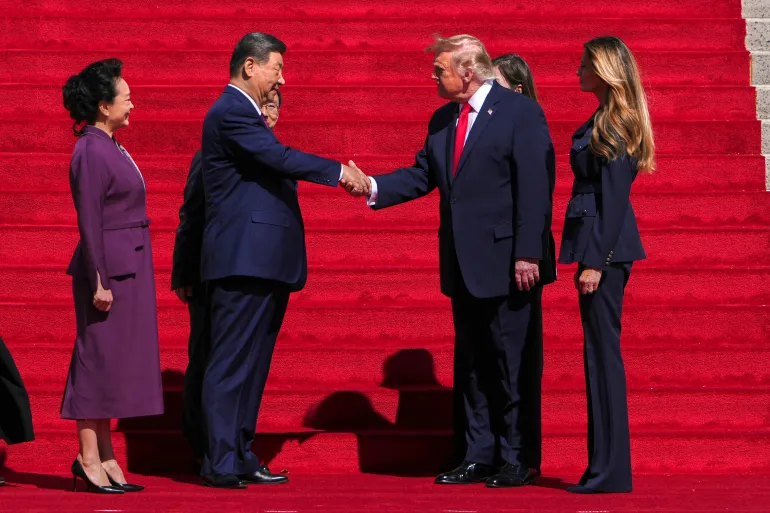
The United States and China have announced a list of goods that could receive lower tariffs following a recent meeting between US President Donald Trump and Chinese President Xi Jinping.
The proposed tariff reductions are part of a broader effort to ease trade tensions between the world’s two largest economies. The two countries agreed to work toward reducing tariffs on approximately $60 billion worth of trade, with about $30 billion in imports from each side covered by the proposed framework.
The agreement identifies 77 Chinese products and more than 1,600 US products for consideration under potentially more favorable tariff treatment.
US-China Tariff Cuts Target Hundreds of Products
The proposed tariff changes cover a wide range of consumer goods, agricultural products and manufactured items.
Chinese products included on the list include microwave ovens, fish hooks, artificial flowers and weighing scales. These products could benefit from lower US tariffs if the proposed framework is finalized.
The US products identified for potential tariff reductions in China include a variety of agricultural and food products. These include poultry, dairy products, noodles, eggs, peanuts, canned tomatoes, pure-breed breeding horses and silk.
The selection of products reflects the two countries’ efforts to increase market access while addressing some of the trade barriers that have affected bilateral commerce in recent years.
US Trade Representative Jamieson Greer said the agreement could improve market access for roughly 30 percent of US exports to China. He also said the administration would continue efforts to pursue what it described as fair, balanced and reciprocal trade.
The US government said its trade strategy would focus on several areas, including Chinese purchases of American agricultural and energy products, trade in non-sensitive goods and greater market access for US farmers, manufacturers, businesses and workers.
China Confirms Reciprocal Tariff Reduction Framework
China’s Ministry of Commerce also confirmed the proposed arrangement and said officials from both countries would continue discussions over a $30 billion-for-$30 billion reciprocal tariff reduction framework.
The proposed framework is intended to create better conditions for trade while supporting demand in both domestic markets.
Chinese officials said the arrangement could help stabilize US-China trade and strengthen cooperation in several sectors, including agriculture, energy, manufacturing and consumer goods.
However, the announcement does not represent a complete resolution of the broader economic and geopolitical disagreements between Washington and Beijing.
US-China Trade Has Declined
Trade between the United States and China has changed significantly in recent years as both countries have introduced tariffs, export restrictions and other trade measures.
According to US trade data, two-way trade between the two countries totaled approximately $495 billion in 2025, representing a 25 percent decline from the previous year.
The decline highlights the impact of ongoing trade tensions and changing supply chains. American companies have increasingly explored alternative sources of imports, while Chinese businesses have faced greater restrictions in accessing certain US markets and technologies.
The proposed tariff reductions could provide some relief for businesses involved in affected product categories. However, the overall economic impact will depend on which tariffs are ultimately reduced and how broadly the agreement is implemented.
Limited Impact Expected on Overall Trade
Trade analysts have cautioned that the proposed list may not represent a major change in the overall US-China trade relationship.
Many of the products identified are relatively small components of total bilateral trade. As a result, tariff reductions on these goods may have only a limited effect on overall trade volumes.
Lower tariffs could reduce costs for some businesses and consumers, particularly in product categories where tariffs currently add significantly to import prices. However, the effect on broader inflation and consumer prices is expected to depend on the size and implementation of the tariff cuts.
Some agricultural products on the proposed list may also have limited trade potential because certain goods are not currently exported in large quantities between the two countries.
What the US-China Tariff Agreement Means
The proposed tariff reductions represent an effort by Washington and Beijing to manage economic tensions while maintaining trade between the two countries.
For American exporters, lower Chinese tariffs could create additional opportunities in sectors such as agriculture, food products, dairy and energy. For Chinese exporters, reduced US tariffs could make selected consumer and manufactured goods more competitive in the American market.
The agreement also shows that both countries continue to use trade negotiations to address economic disagreements despite wider disputes involving technology, artificial intelligence, supply chains and Taiwan.
Further negotiations will determine whether the proposed tariff reductions become permanent policy and which products ultimately receive lower tariff rates.
For businesses and consumers, the key issue will be whether the proposed US-China tariff cuts translate into meaningful reductions in import costs and expanded market access.
The latest development therefore represents another step in the ongoing effort to reshape US-China trade relations, although its long-term economic impact will depend on how the two governments implement the proposed tariff reduction framework.