Nepal floods disrupt tourism as peak season begins, affecting Kathmandu, Pokhara and Chitwan hotels, trekkers, drivers and small businesses.
Nepal Floods Hit Tourism as Peak Travel Season Begins
Nepal’s tourism industry is facing a difficult start to its peak travel season after devastating floods and landslides disrupted roads, damaged infrastructure and forced thousands of tourists to cancel or postpone their trips.
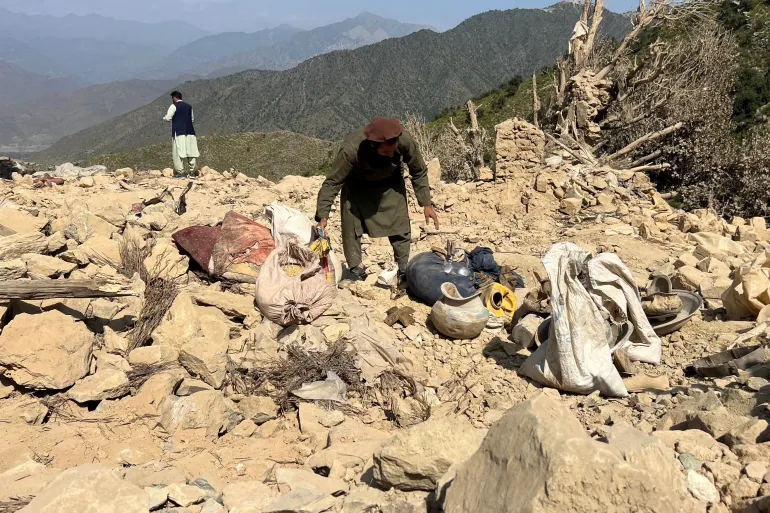
The floods, triggered by a glacial collapse near the Nepal-Tibet border, killed more than 1,450 people and caused widespread destruction across parts of the country. Although many popular tourist destinations remain open, damaged highways and travel warnings have created uncertainty among international visitors.
For people who depend on tourism for their daily income, the impact has been immediate.
Pushpraj Rimal, a 42-year-old tour planner and taxi driver in Kathmandu, had expected September to bring a major increase in business. Nepal’s main tourist season begins after the monsoon, when the weather generally becomes clearer and conditions improve for trekking and sightseeing.
Instead, Rimal has faced a wave of cancellations.
“I had rented two cars for two months, but I have done only one-fourth of the business I usually do during the season,” he said. Many tourists who had planned trips to Kathmandu, Pokhara and other destinations cancelled their bookings after news of the floods spread.
Rimal earns commissions from hotels and trekking companies and also depends on taxi work. With fewer visitors arriving, all three sources of income have suffered.
The financial pressure has also affected his family. Rimal has two children and had promised to buy them a tablet for Dashain, one of Nepal’s biggest Hindu festivals. With business sharply reduced, he now fears he will not be able to keep that promise.
Nepal Tourism Faces Major Setback
Tourism is one of Nepal’s most important economic sectors. The industry contributes a significant share to the country’s economy and supports more than a million jobs, directly and indirectly.
Nepal welcomed more than 1.15 million international visitors last year, with a large share arriving between September and November. This period is particularly important for hotels, trekking agencies, restaurants, taxi operators, guides and small roadside businesses.
The latest Nepal floods, however, have disrupted the tourism cycle at one of the busiest times of the year.
Seeta Nepali, 61, and her husband, Ramakant Nepali, 68, sell homemade buttermilk and cottage cheese along the highway connecting Kathmandu with Pokhara and Chitwan.
Their town was not directly destroyed by the floods, but the damaged highway brought their business to a standstill.
“We could earn nothing for 11 days after the flood because the road was blocked,” Seeta said.
Even after the road reopened, traffic remained limited. Government vehicles were initially given priority, while the number of tourists and other travellers remained far below normal.
The couple now earns only a fraction of their previous income.
Tourists Cancel Nepal Trips
Many international travellers cancelled planned holidays after seeing reports about the floods and damaged roads.
Alexa, a British traveller, had planned to visit Pokhara and Dhulikhel with five friends. The group had already booked accommodation, transportation, trekking activities and camping arrangements.
After learning about the disaster, they cancelled the entire trip.
Other travellers decided to change their plans rather than abandon Nepal completely. Tapas Kumar from India, for example, cancelled his planned visit to Pokhara but extended his stay in Kathmandu instead.
Many tourists are also checking travel advisories issued by foreign embassies before deciding whether to travel.
Some warnings have advised travellers to avoid affected areas because roads remain damaged and conditions can change quickly. This has also contributed to confusion among visitors who may assume that the entire country has been affected.
Tourism businesses are urging travellers to understand that conditions vary significantly between regions.
Chitwan Hotels Suffer From Cancellations
Hotels and resorts in Chitwan have also suffered major losses.
Pramila Chhetri, who works at a resort in Chitwan, said the property had prepared extensively for the September tourist rush. Rooms were furnished, additional staff were hired and supplies were purchased after most rooms had been booked in advance.
However, around 80 percent of reservations were cancelled after the floods damaged the main highway leading to Chitwan.
Some travellers have postponed their holidays rather than cancelling them completely, giving tourism businesses hope for a recovery later in the year.
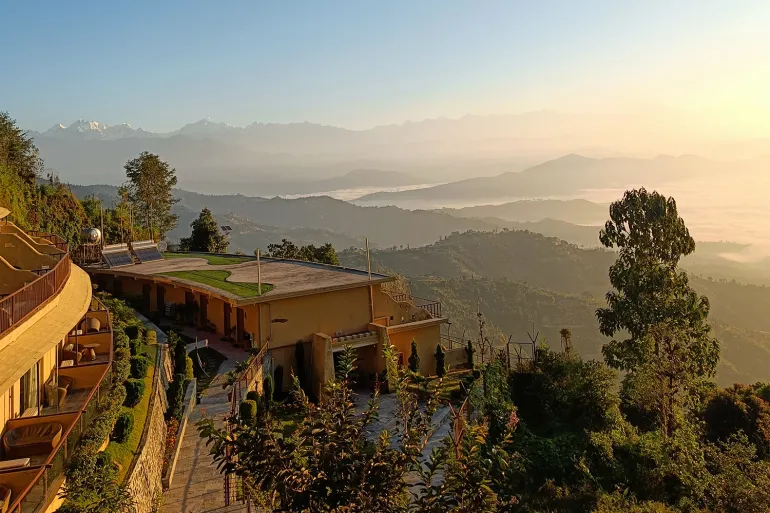
Nepal remains an important destination for trekking, mountain tourism, cultural travel and adventure holidays. Kathmandu, Pokhara, Chitwan and Dhulikhel continue to attract visitors, although travellers need to check local road conditions and official travel guidance before setting out.
For thousands of Nepalis who rely on tourism, the coming months will be crucial.
Every tourist who returns means income for a hotel worker, taxi driver, trekking guide, restaurant owner or roadside seller.
For small businesses already struggling after the floods, the hope is simple: that travellers will return and discover that many parts of Nepal are still ready to welcome them.
Source