United Russia leads Russia’s wartime parliamentary election as Ukraine attacks, cyber disruptions and voting in occupied regions draw scrutiny.
Russia’s Wartime Parliamentary Election: United Russia Leads Early Results
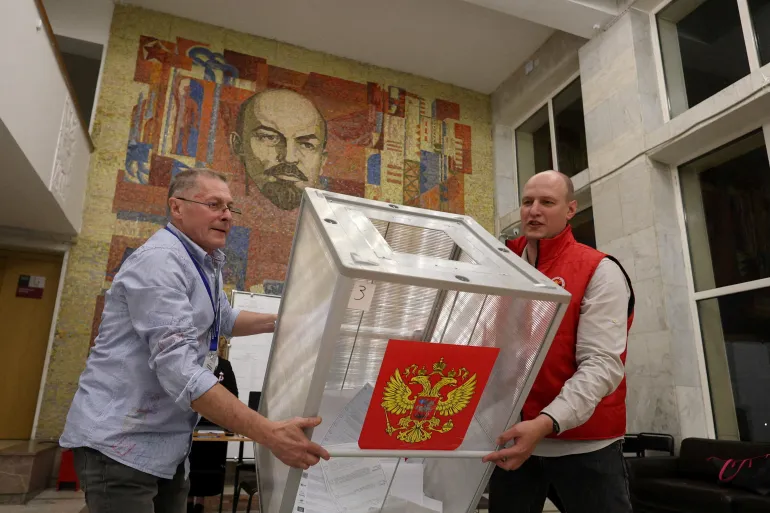
Russia’s ruling United Russia party is leading the country’s first parliamentary election since the full-scale invasion of Ukraine began in 2022, according to early results released after three days of voting.
The election is being closely watched because the Kremlin has presented the vote as evidence of continued public support for its policies and the war in Ukraine. The parliamentary contest also comes amid growing economic pressure, Ukrainian drone attacks inside Russia and reports of cyberattacks targeting voting infrastructure.
With about 58 percent of polling stations counted, United Russia had received nearly 58 percent of the vote for the 225 State Duma seats allocated through party lists, according to Russia’s Central Election Commission.
Another 225 seats are being contested in single-member constituencies, where voters choose individual candidates. United Russia was also expected to secure a large share of these seats.
Officials reported nationwide voter turnout of 56.66 percent at the close of voting.
Ukraine War Overshadows Russian Election
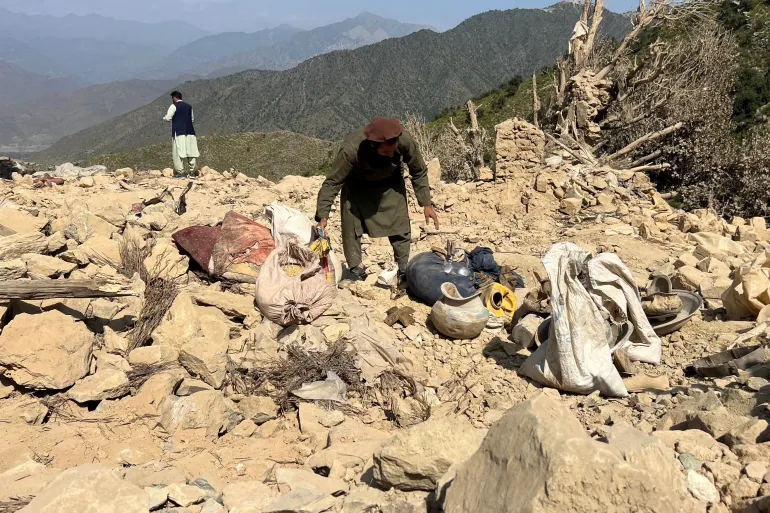
The parliamentary election took place against the backdrop of an intensifying Russia-Ukraine war. Russian authorities accused Ukraine of attempting to disrupt the vote after a large-scale wave of drone attacks struck Moscow and other Russian regions.
The attacks reportedly killed at least three people in the Moscow region. Two additional people were reported killed in the Russian-controlled part of Ukraine’s Kherson region, including an election official.
Russian authorities also reported cyberattacks affecting electronic voting systems and disruptions to communications during the election period. Officials said the voting process continued despite the reported attacks.
The security situation added another layer of controversy to an election already facing criticism over political competition and electoral conditions.
Voting in Russian-Occupied Ukrainian Territories
The election also included people living in Ukrainian territories that Russia claims to have annexed but does not fully control. Voting was also conducted in Crimea, which Russia seized and annexed in 2014.
Ukrainian authorities rejected the elections in occupied territories and called on other countries not to recognise the results. European officials have similarly criticised the organisation of Russian elections in territories internationally recognised as part of Ukraine.
The inclusion of these areas has become one of the most contentious issues surrounding the 2026 Russian parliamentary election.
United Russia Expected to Maintain Dominance
United Russia has long been the dominant political force in Russia, and the party is expected to retain its strong majority in the State Duma.
Several smaller parties that are part of Russia’s established parliamentary system are also expected to remain represented. These parties generally support the Kremlin on major political and foreign-policy issues.
The election has taken place in an environment where prominent anti-war politicians have faced imprisonment, legal restrictions or pressure to leave the country. Opposition groups have also faced significant difficulties participating in national elections.
The liberal Yabloko party, one of the few registered political organisations to openly criticise the war, was removed from the party-list ballot shortly before the election. The party nevertheless fielded a limited number of candidates in individual constituencies.
Election Monitoring Under Scrutiny
Questions have also been raised about international election monitoring. Russia did not invite election observers from the Organization for Security and Cooperation in Europe, while Russian officials have criticised the organisation’s previous assessments of elections in the country.
The absence of international observers, restrictions on opposition participation and the broader political environment are likely to remain central issues in assessments of the Russian parliamentary election.
For the Kremlin, the vote provides an opportunity to demonstrate political continuity during wartime. For critics, however, the election raises questions about political competition, electoral transparency and the treatment of opposition candidates.
The final distribution of the 450 State Duma seats will depend on the completion of both the party-list count and the results from Russia’s single-member constituencies.