France halts police stun grenades as student protests grow over school funding, poor facilities, police brutality and injuries to teenagers.
France Halts Stun Grenades as Student Protests Escalate
France has temporarily banned police from using stun grenades during student protests following growing concerns over police brutality and the use of force against teenagers. The decision comes after several young protesters were seriously injured during demonstrations demanding better funding, improved school facilities and stronger support for education.
French Interior Minister Laurent Nunez announced the suspension of stun grenade use on Wednesday, as pressure increased on the government to respond to accusations of excessive police force. The move followed a series of incidents involving teenagers during nationwide student demonstrations.
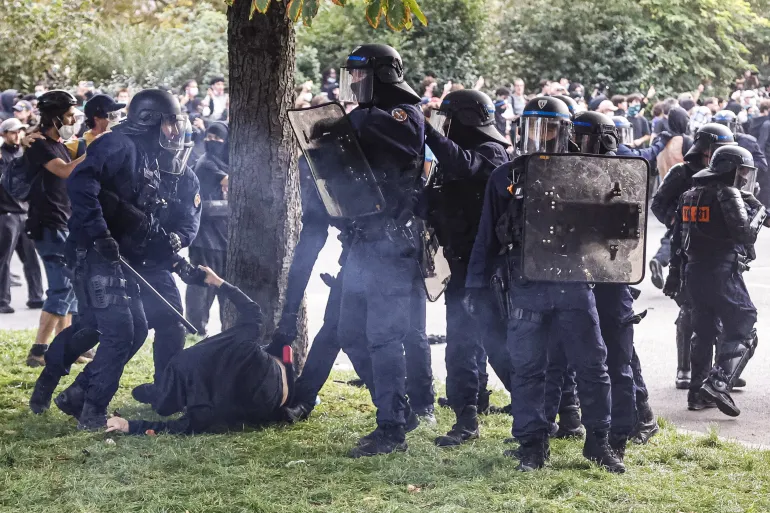
One of the most serious incidents occurred in the northern city of Lens on Monday, when a 15-year-old student reportedly lost a hand after police fired a stun grenade during clashes. The incident intensified criticism from parents, rights groups and student organisations, who have questioned whether police tactics are appropriate when dealing with largely teenage protesters.
Another teenager, aged 14, was seriously injured during a demonstration in Paris after being struck in the face by a tear gas grenade fired at close range. The student lost several teeth in the incident. A police officer was charged on Tuesday in connection with the case.
The French government has opened 18 internal investigations into allegations of police misconduct since the student protests began. Authorities say the investigations are intended to establish what happened during incidents involving protesters and police officers.
France Student Protests Spread Nationwide
The student protests began in late September, initially involving high school students who blocked entrances to schools across France. Demonstrators, many between the ages of 15 and 17, have raised concerns about deteriorating school buildings, teacher shortages and insufficient government funding.
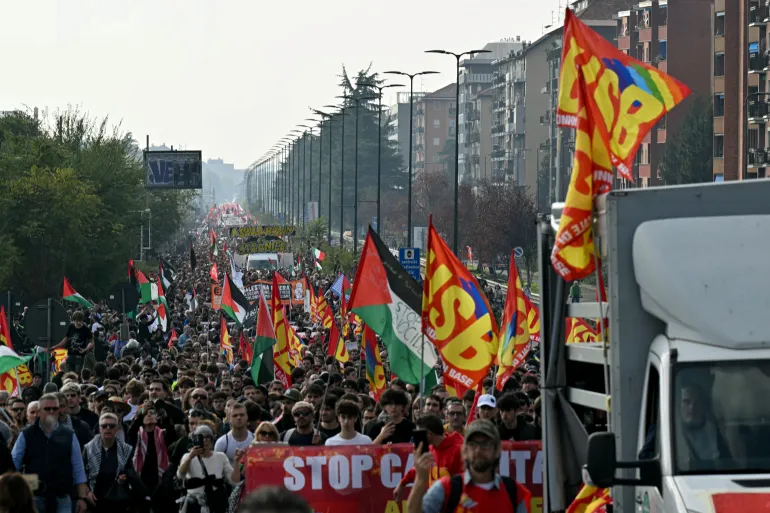
The movement has since expanded, attracting support from parents, teachers and trade union workers. Demonstrations were held in Paris and several other French cities as thousands of people joined students in calling for better conditions in schools.
On Tuesday, hundreds of thousands of students and supporters took part in demonstrations across the country. The scale of the protests prompted President Emmanuel Macron to hold an emergency meeting with Prime Minister Sebastien Lecornu and other senior government officials.
The government is now facing pressure to calm the situation while addressing the underlying concerns about education funding and school conditions.
Thousands Arrested During Demonstrations
The protests have also triggered a major security response. According to the Interior Ministry, about 6,100 people have been arrested since the demonstrations began last month. Most of those detained are reportedly minors.
The Justice Ministry said more than 1,800 people are facing prosecution, including 1,483 minors. Authorities have not provided a full breakdown of the alleged offences involved in those cases.
At the same time, both police officers and teenagers have been injured during clashes. The prime minister’s office said at least 715 police officers and 215 teenagers have suffered injuries since the protests began.
Although many student demonstrations have remained peaceful, sporadic clashes between protesters and police have led to property damage, arrests and injuries.
Government Rejects Claims of Police Repression
The French government has rejected accusations that it ordered police to carry out a campaign of repression against students.
Prime Minister Sebastien Lecornu condemned violent incidents during a parliamentary session on Tuesday and said violence would not be tolerated. Government officials have also argued that the original student movement has been exploited by outside groups and has, in some areas, developed into wider urban unrest.
However, rights organisations, parents’ groups and student representatives continue to raise concerns about the treatment of minors during demonstrations. They argue that the use of tear gas and stun grenades can cause severe injuries and should be carefully restricted, particularly when large numbers of teenagers are involved.
The temporary suspension of stun grenades represents an attempt by the government to reduce tensions and prevent further serious injuries. It also comes as officials seek to balance public order with the right of students to protest.
Education Funding Remains at the Centre of the Crisis
Despite the clashes and political tensions, education remains the central issue behind the protests.
Students have complained about aging and poorly maintained school buildings, shortages of teachers and inadequate resources. Many protesters believe the government needs to increase education spending and improve conditions for both students and teachers.
The coming days could prove crucial for the French government as it attempts to address those demands while restoring calm across the country.
The crisis has placed renewed attention on police tactics, student safety and the wider condition of France’s education system. With thousands of young people involved, pressure is growing on government leaders to find a solution that addresses both public safety and the concerns driving the student movement.
As nationwide demonstrations continue, the suspension of stun grenades may help ease tensions, but the deeper dispute over school funding and education policy remains unresolved.