US Congress passes a sweeping Russia sanctions bill targeting Russian energy, banks and officials, with new tariffs of up to 100%.
US Congress Passes Sweeping Russia Sanctions Bill
The United States Congress has passed a major bipartisan sanctions bill aimed at increasing economic pressure on Russia over its ongoing war in Ukraine. The legislation has cleared both chambers of Congress and is now headed to President Donald Trump, who is expected to sign it into law.
The House of Representatives approved the Russia sanctions bill by a vote of 262 to 159. The measure had previously secured approval in the Senate following months of negotiations and political delays.
The legislation gives the US president expanded powers to target Russia’s economy and countries that continue purchasing Russian energy. One of the most significant provisions allows the administration to impose tariffs of up to 100 percent on imports from countries that buy Russian energy supplies.
The measure is designed to reduce the flow of international revenue supporting the Russian economy and increase pressure on Moscow over the war in Ukraine.
New Tariffs Target Russian Energy Buyers
A key feature of the new Russia sanctions legislation is its potential use of secondary tariffs against countries that purchase Russian oil, gas and other energy products.
Countries including China and India have remained major buyers of Russian energy despite Western sanctions. The new tariff authority could give the US administration another tool to discourage international trade that generates revenue for Moscow.
The legislation also calls for sanctions against Russian government officials, financial institutions and a network of oil tankers commonly described as Russia’s shadow fleet. These vessels have played a role in transporting Russian energy around international restrictions.
The broader goal is to tighten enforcement and make it more difficult for Russia to maintain energy exports and access international financial networks.
Bipartisan Support in Congress
The bill received support from lawmakers in both major US political parties. Fifty-eight House Democrats joined most Republicans in voting for the legislation.
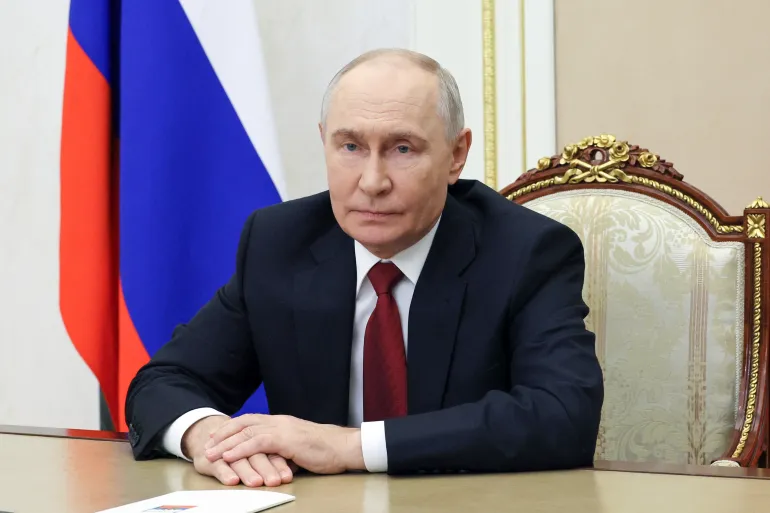
Supporters argue that stronger economic sanctions could increase pressure on Russian President Vladimir Putin and encourage negotiations to end the war in Ukraine.
The legislation was championed by the late Republican Senator Lindsey Graham of South Carolina and Democratic Senator Richard Blumenthal of Connecticut. The two lawmakers worked together on the sanctions initiative before Graham’s death in July.
Blumenthal said the sanctions are intended to increase pressure on the Russian government and encourage Putin to return to negotiations.
Democrats Raise Concerns Over Tariff Powers
Although the sanctions bill received bipartisan support, some Democratic lawmakers opposed the legislation because of concerns over the expanded tariff powers granted to the White House.
House Democratic Leader Hakeem Jeffries argued that the bill gives the president significant authority that could potentially affect US allies and trading partners.
Critics have also questioned whether the legislation requires the administration to impose sanctions automatically or provides enough flexibility for the president to delay or avoid certain measures.
These disagreements highlight the debate in Washington over how aggressively the United States should use economic pressure against Russia and countries that maintain close energy relationships with Moscow.
Ukraine Welcomes Stronger Russia Sanctions
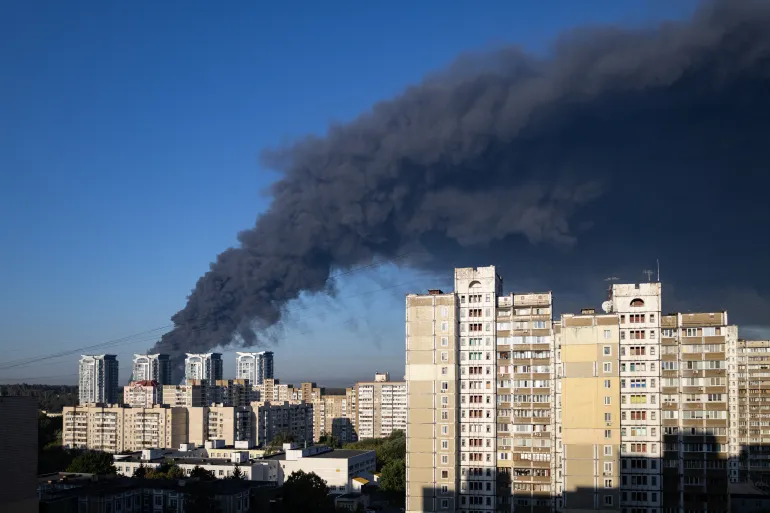
Ukraine has strongly supported the passage of the sanctions legislation. Ukrainian President Volodymyr Zelenskyy had urged US lawmakers to approve stronger measures against Russia as Kyiv continues to seek international support.
The Ukrainian government has argued that reducing Russian energy revenues is important to limiting Moscow’s ability to finance military operations.
The new legislation could therefore become an important part of the broader US strategy toward Russia and the Ukraine war.
Trump Expected to Sign Russia Sanctions Bill
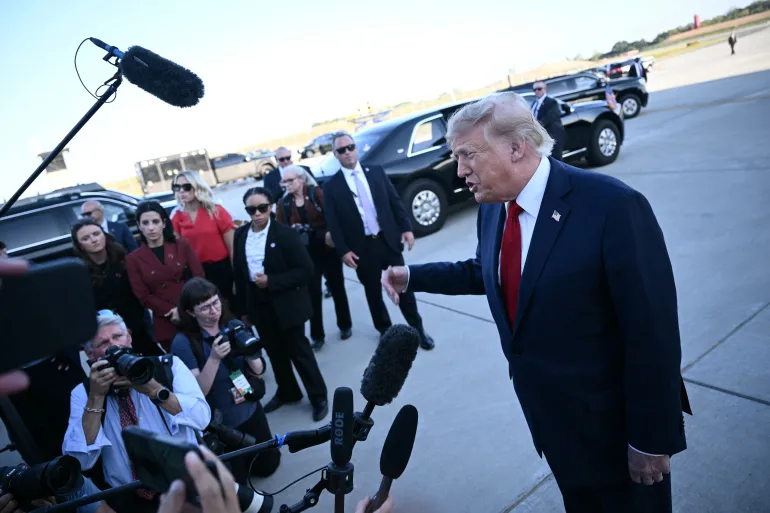
With the bill now passed by Congress, attention is turning to the White House. President Donald Trump is expected to sign the legislation into law.
Once enacted, the new measures could significantly expand the US government’s ability to impose economic penalties on Russia and foreign countries involved in Russian energy trade.
The legislation represents a major development in US Russia policy and comes as international efforts continue to find a diplomatic solution to the war in Ukraine.
Supporters believe stronger sanctions could increase pressure on Moscow, while critics remain concerned about the potential economic impact on US allies and global trade.
The effectiveness of the new Russia sanctions will depend largely on how the Trump administration uses its expanded authority and how Russia and its major trading partners respond.